
Cleveland UCD: Our History & Our Home



The Neighborhood We Call Home
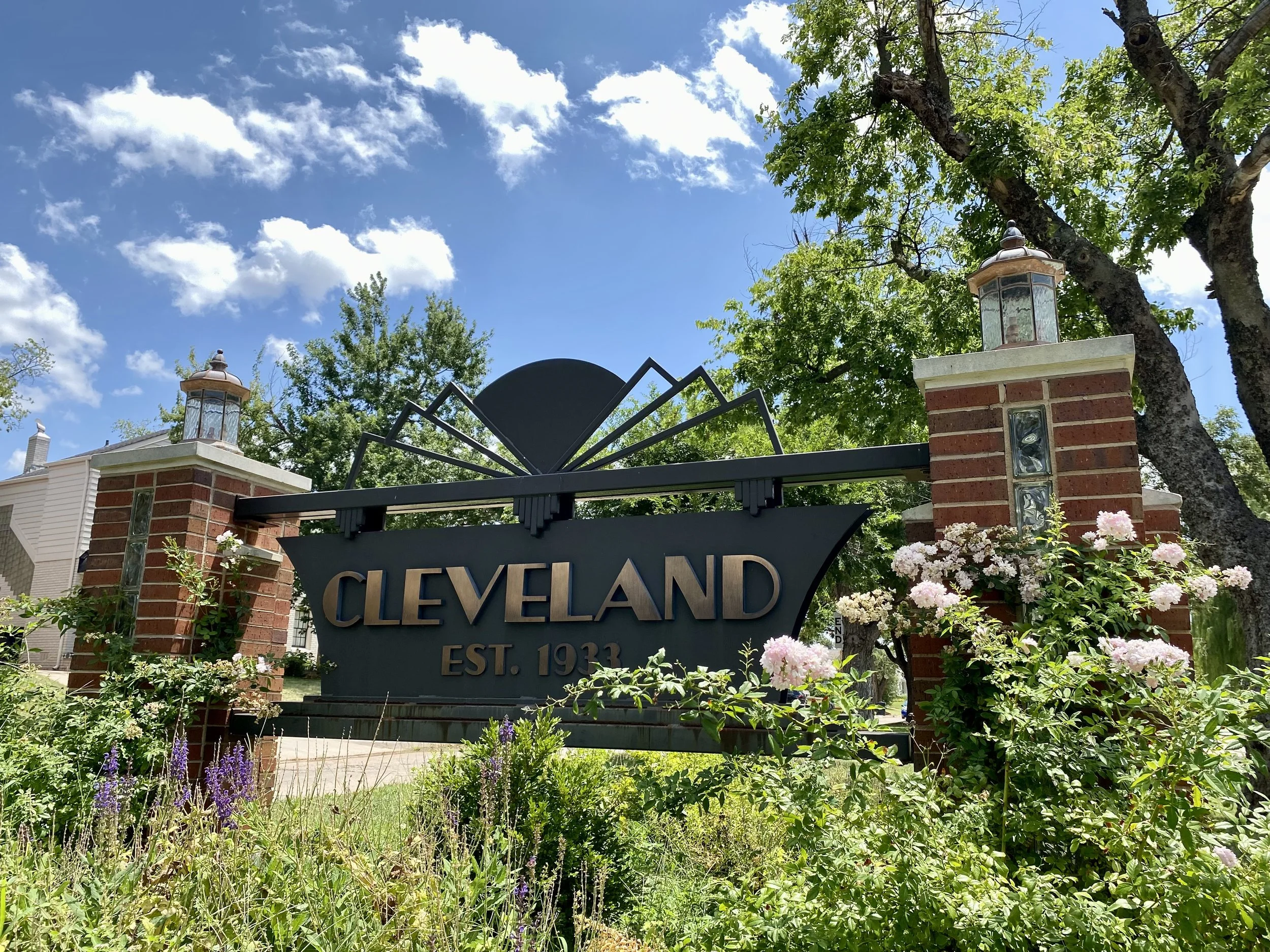
There's something special about turning onto one of Oklahoma City’s Cleveland UCD (Urban Conservation District) streets. The shade of old trees overhead, a porch light on, a neighbor waving from their yard. It's the kind of place that still feels like a neighborhood, in every sense of the word.
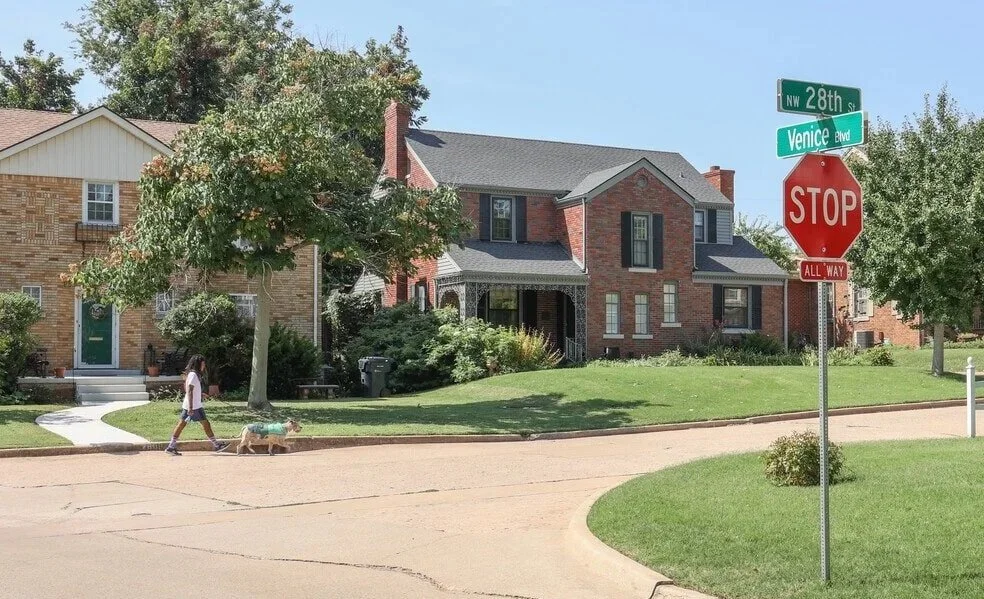
Walk any block, and you'll find character in the architecture itself. Bungalows, Tudor and Colonial Revivals, Art Deco homes, each one different, each one part of the story.
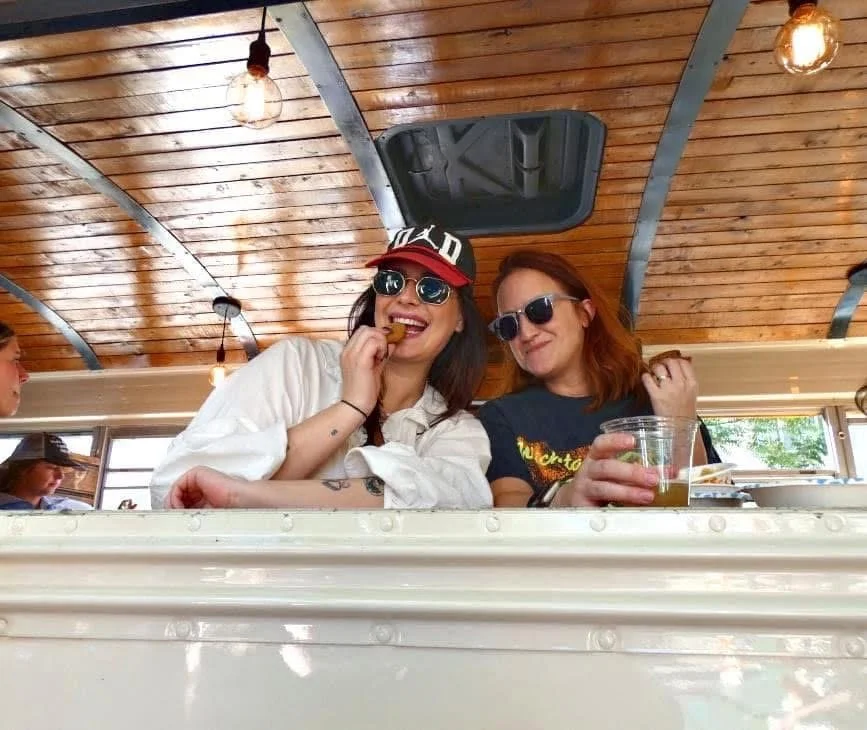
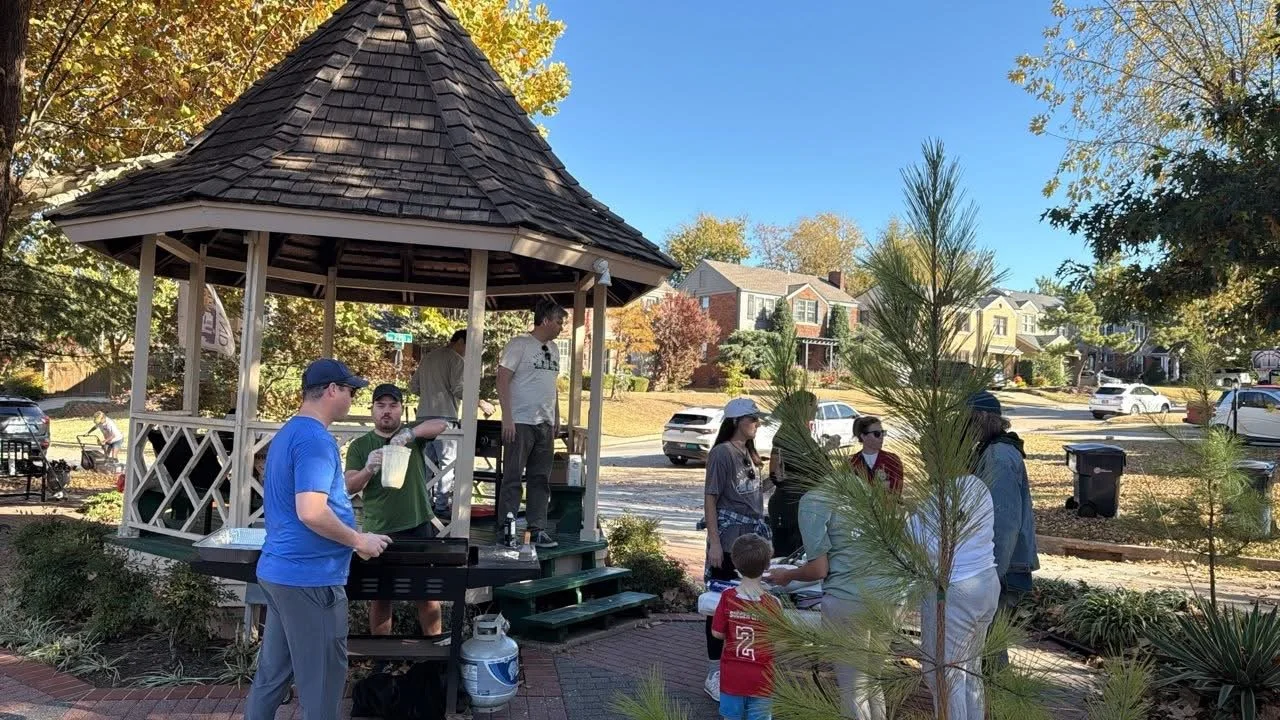
Venice Boulevard is where so much of our shared life happens. Its wide, tree-lined median has hosted food truck nights, quiet evening walks, dogs on leashes, kids on bikes, a gazebo to sit in, and a Little Free Library to borrow from. It's also the thread that connects us to our neighbors in Venice, and together our neighborhood associations keep the traditions going: garage sales, a Fourth of July parade, and a Halloween night that's become something of a legend for trick-or-treaters.
Just beyond our streets, there's Denniston Park for picnics under the cypress trees, Swatek Park's trails and pavilion next door in Shepherd, and a little further out, the galleries of Paseo, the blooms of Will Rogers Gardens, the wonder of Downtown, and much more. All within a few miles of home.
We're proud of where we live, and even prouder of the people who make it feel this way. Welcome home.
With appreciation,
The Cleveland UCD Neighborhood Association
Deborah Loeffler, left, and Timi Ahpeatone are ready for an annual house tour in the Cleveland neighborhood. May 20, 1986.
"A gazebo goes up in the Cleveland Neighborhood Urban Conservation District." Photo by Joe Miller, May 5, 1984.
Aerial view looking east down N.W. 23rd St. The main intersection in the photo is N.W. 23rd Street and N May Ave. The building in the lower left corner is Taft Middle School. Photo taken by Meyers Photo Shop, June 4, 1962
Cleveland UCD History
Long before the first porch light went on here, this was a vision. C.B. Warr, one of Oklahoma City's most prolific developers, saw the promise in this ground west of downtown and began shaping it into a neighborhood in 1933. Today, that neighborhood comprises the homes from NW 23rd Street on the south to NW 30th Street on the north, bordered by Villa Avenue to the east and May Avenue to the west. He would go on to build much of what we call home just before and through the years of World War II, and what he started here became the blueprint for his later work across the city, including Mayfair Heights and the community that would eventually become Warr Acres.
But in truth, our story started even earlier than that. Cleveland Elementary opened its doors in 1928, five years before the neighborhood around it took shape. It wasn't an afterthought. It was the anchor, the reason families were drawn west in the first place, and it has remained the heart of this community ever since.
Because our homes were built gradually across more than a decade, we carry a wonderful mix of architectural eras within our borders. Art Deco and Tudor Revivals from the 1930s stand alongside Colonial Revivals from the years just after the war. Local architects were part of that story too. Among them was B. Gaylord Noftsger, one of Oklahoma's first licensed architects, whose work still stands today across the city, including the historic Union Bus Station downtown.
Neighborhood lore holds that he built and lived in a home of his own right here on NW 26th Street in 1937, a fitting tribute from a man who spent his career shaping how Oklahoma City looks and feels.
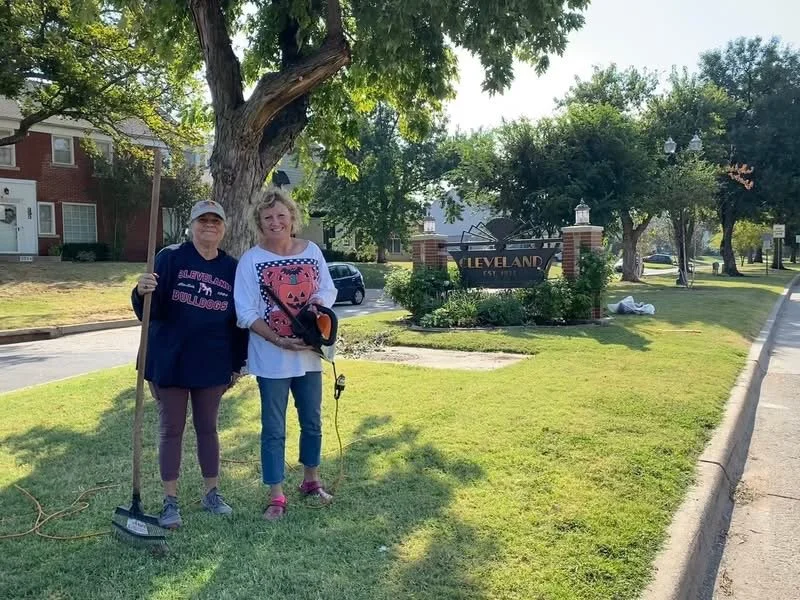
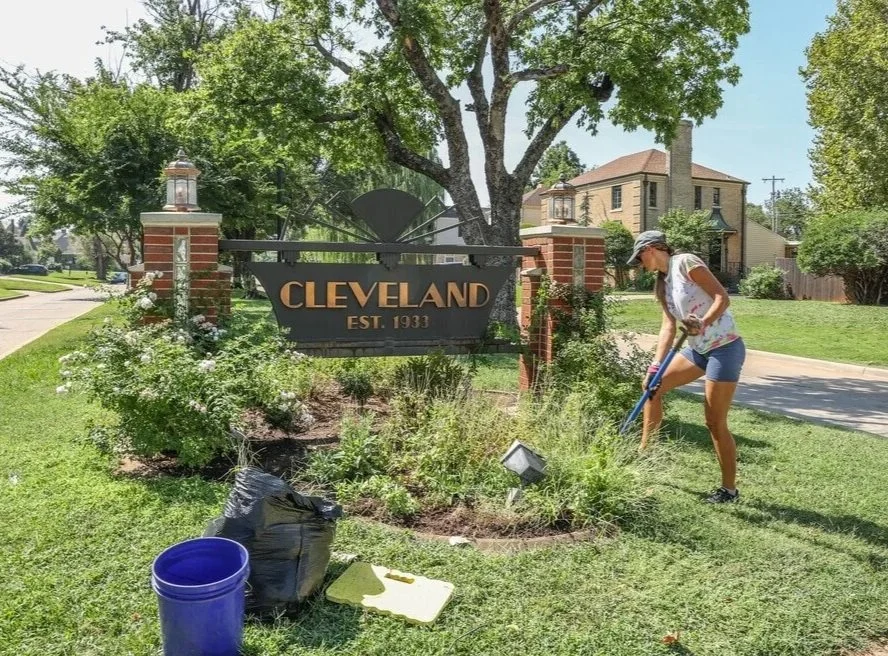
By 1982, the neighbors who loved these streets, this architecture, and this sense of place came together to establish our Urban Conservation District, ensuring that what was built with such care would be protected for generations still to come. That same spirit lives on today. Every member who joins us, every neighbor who shows up, helps keep that integrity strong, carrying the original vision forward for the next generation of Cleveland UCD families.
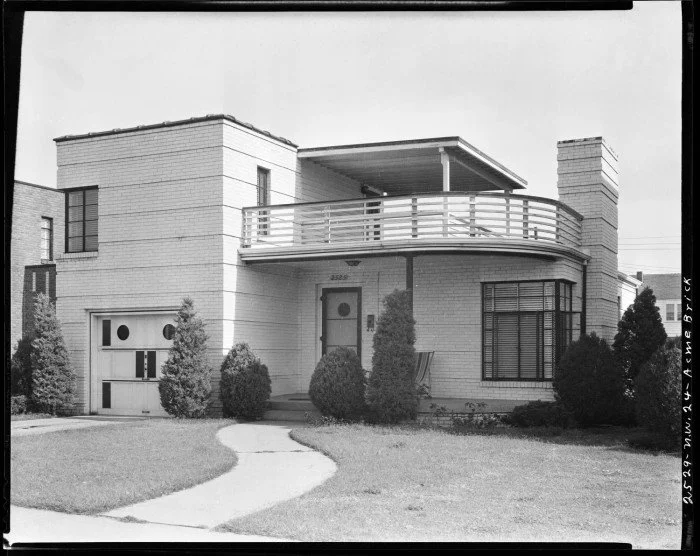
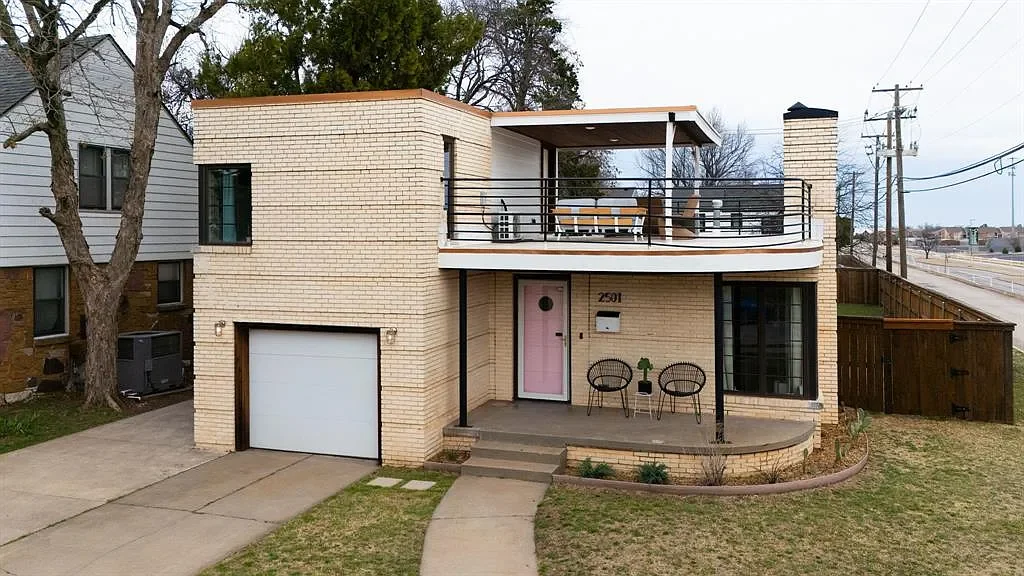
Cleveland UCD Art Deco home, 1942
Same Cleveland UCD Art Deco home, 2026

February 27, 1969.

Vietra Watson and Derrick Wilson, front, plant rotunda holly while Ed Reeden, landscape designer with Oklahoma Public Schools, and Alice Johnson, of the Cleveland Neighborhood Association watch. Photo by Roger Klock, March 14, 1983.

August 19, 1953

A picture of a diving tower at Shepherd's Lake (now the former Shepherd Mall) estimated to be taken in the early 1930s.

Cleveland Elementary. August 1951. Photo by Meyers Photo Shop.

First day of school. 1933.
Historical images courtesy of the Oklahoma Historical Society and Gateway to Oklahoma History